

🌟 7 Clinical Anti-Aging Treatments That Actually Work (2026)
Comprehensive Scientific Guide to Choosing the Best Treatment
Key Takeaways
The right anti aging clinical treatment for you depends entirely on your specific goals, whether it's reducing wrinkles, restoring volume, or improving skin texture. A consultation with a board-certified dermatologist is crucial for creating a personalized and effective treatment plan.
- Injectables like Botox and fillers are best for dynamic wrinkles and volume loss.
- Energy-based devices such as lasers and Ultherapy excel at skin tightening and resurfacing.
- Regenerative medicine (PRP, stem cells) uses your body's own power to rejuvenate skin.
- A consultation with a board-certified professional is the essential first step.
Transparency Notice
This article explores anti-aging clinical treatments based on scientific research and professional analysis. Some links in this article may connect to our products or services. All information presented has been verified and reviewed by {Expert name}. Our goal is to provide accurate, helpful information to our readers.
Understanding the Fundamentals of Anti-Aging
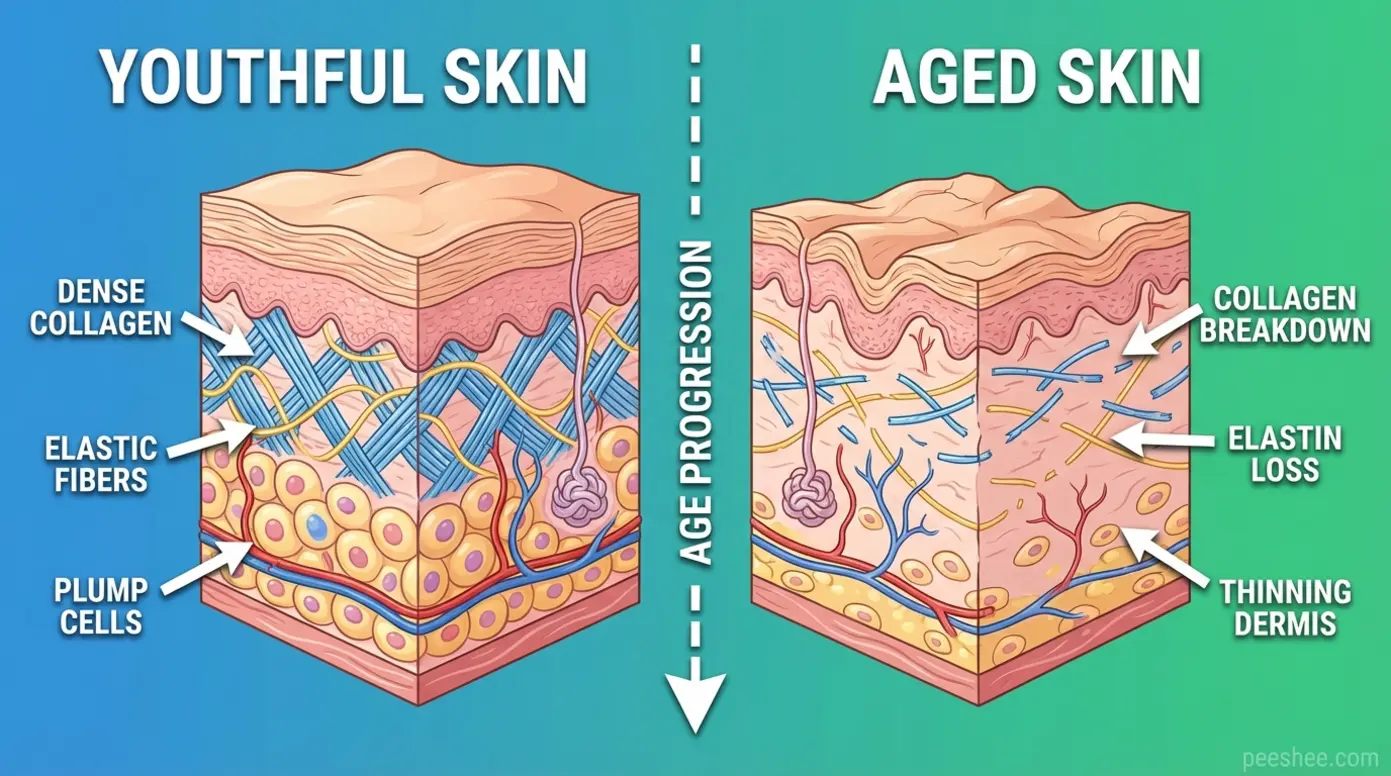
An anti-aging treatment is any procedure designed to address the signs of aging by focusing on cellular health and prevention, not just wrinkle reduction. Modern approaches aim to stimulate the body's natural regenerative processes to restore a more youthful appearance. Understanding the fundamental goals of these treatments is the first step toward choosing the right one for you.
The primary mechanisms behind effective anti-aging include stimulating collagen and elastin production for improved firmness, promoting cellular turnover and resurfacing for better skin texture, and restoring lost volume. The best approach is often a combination of lifestyle choices, consistent at-home care, and targeted clinical procedures. According to the National Institute on Aging (NIA), protecting skin from the sun is the single most effective step in a preventative anti-aging strategy (2026). Treatments are also tailored to different demographics, addressing prevention in your 30s versus correction in your 50s.
A successful anti-aging strategy is always personalized and multifaceted. With this foundation, you can better understand the specific clinical options available and how they work to achieve your desired results.
What Does 'Anti-Aging Treatment' Really Mean?
The anti aging treatment meaning extends far beyond surface-level creams. It is a broad term for professional medical procedures designed to slow, prevent, or reverse the visible signs of aging. The primary goals include improving skin texture and tone, restoring lost facial volume, tightening sagging skin, and reducing the appearance of fine lines and deep wrinkles. Unlike a topical cream that offers temporary maintenance, a clinical procedure provides a more significant and lasting correction.
Key Goals of Clinical Anti-Aging: More Than Just Wrinkles
Clinical treatments work by targeting the underlying causes of aging skin. A key goal is to stimulate the production of collagen and elastin, the proteins that give skin its firmness and elasticity. Other procedures focus on cell turnover and resurfacing, removing damaged outer layers of skin to reveal a smoother, more even-toned complexion. For concerns like hollowed cheeks or thinning lips, the objective is volume restoration, using fillers to rebuild youthful structure and contours.
Tailoring Treatments for Specific Demographics
Anti-aging needs evolve over time and can differ between individuals. For younger demographics, the focus is often on preventative measures like light chemical peels or microneedling to maintain skin health and delay signs of aging. In contrast, corrective procedures are more common for mature skin, targeting established wrinkles, volume loss, and significant sagging. For instance, an effective anti aging treatment for women in their 40s might focus on restoring mid-face volume with fillers, while someone in their 30s might prioritize laser treatments to address early sun damage.
A Guide to Top Clinical Anti-Aging Procedures
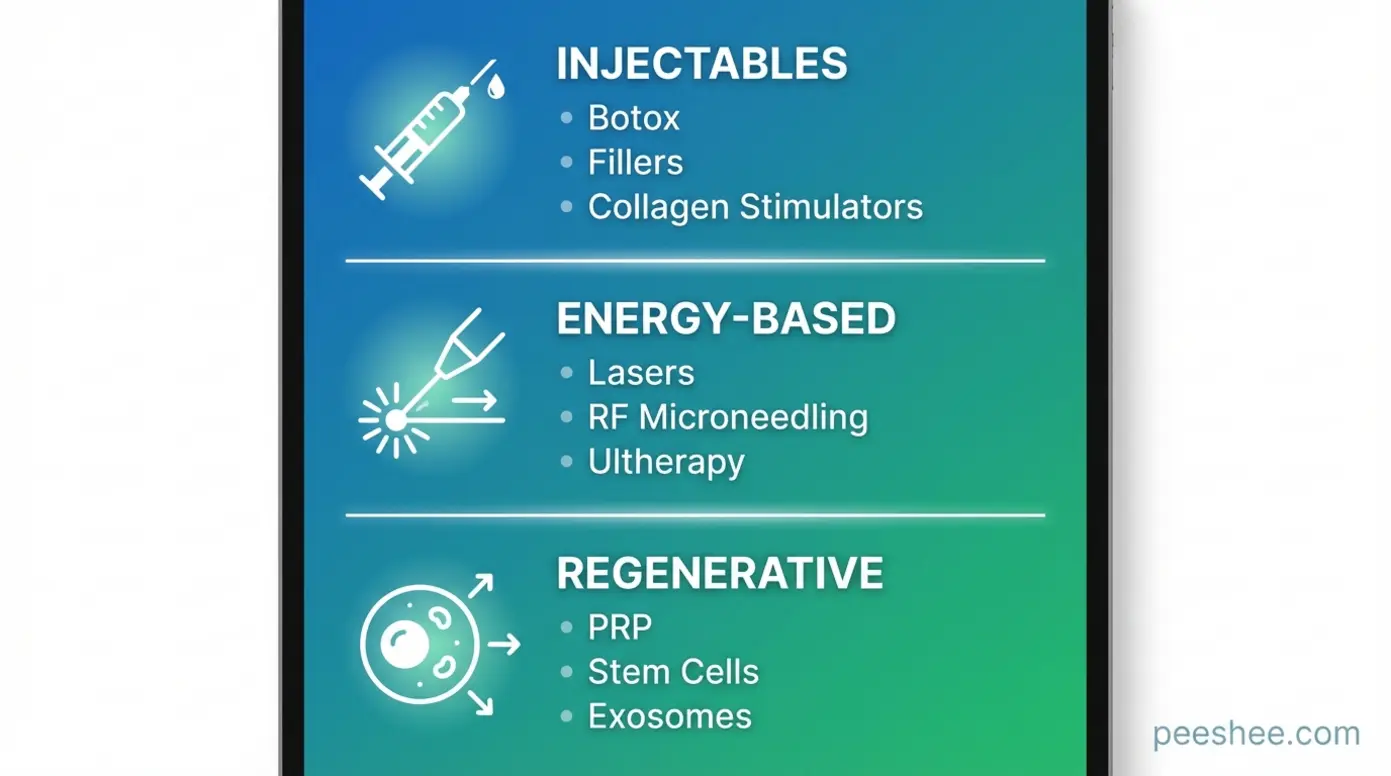
While at-home routines are essential for maintenance, an anti aging clinical treatment offers more significant, targeted, and lasting results. These procedures are best understood by grouping them into three main categories: injectables that relax or fill, energy-based devices that resurface and tighten, and regenerative therapies that use your body's own biology to heal. Let's explore each category to help you identify which approach is right for your specific concerns.
These categories address different aspects of aging. Injectables like Botox and dermal fillers are ideal for treating dynamic wrinkles and restoring lost volume. Energy-based devices, including lasers, radiofrequency (RF), and ultrasound, are designed to improve skin texture, correct pigmentation, and tighten sagging skin. The cutting-edge approach involves regenerative medicine, such as PRP and exosome therapy, which uses your body's own healing mechanisms to rejuvenate from within. For the most dramatic changes, surgical options remain a powerful solution for significant sagging.
Choosing the best procedure depends entirely on your primary skin concern, budget, and tolerance for downtime. Understanding these options is the first step toward an informed discussion with a qualified professional.
Non-Surgical Injectables: Botox, Dermal Fillers, and Collagen Stimulators
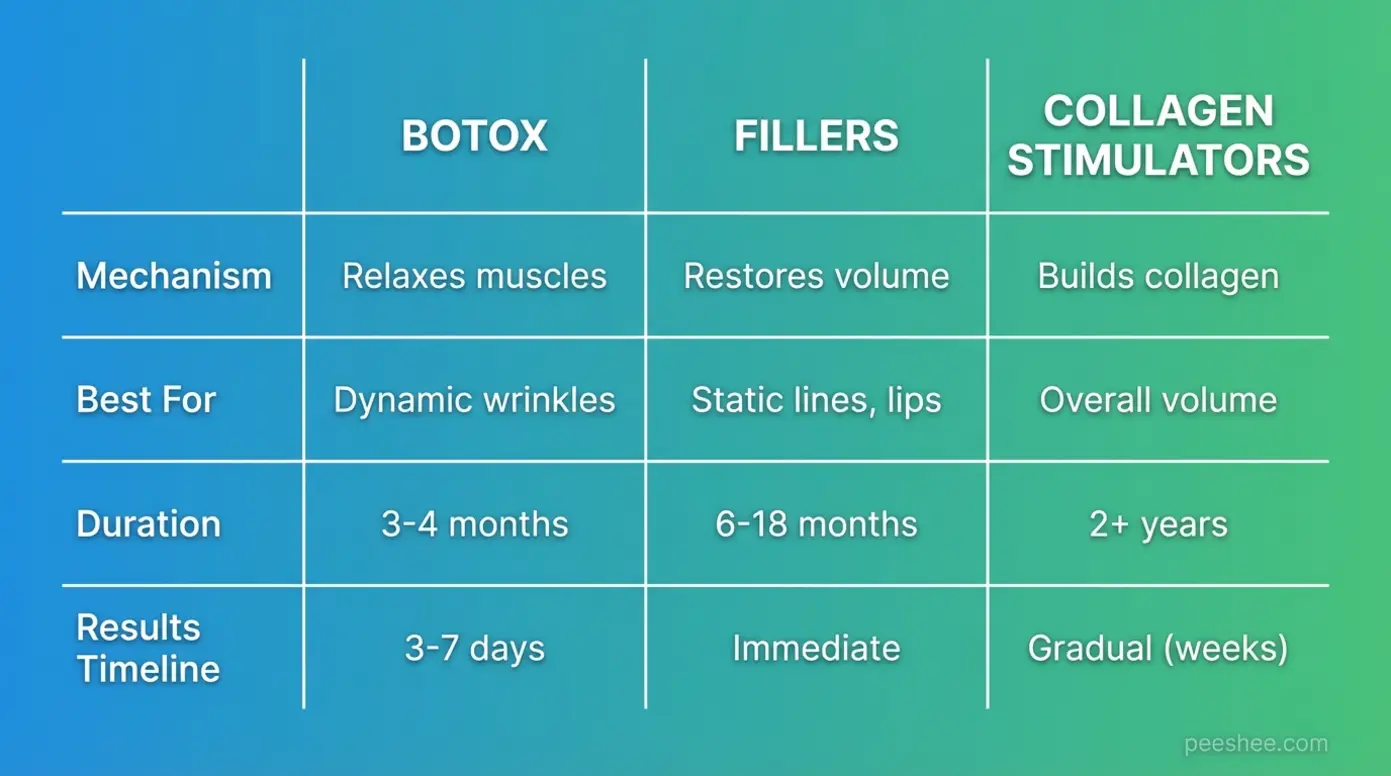
Injectables are often considered the best non invasive anti aging treatment for lines and volume loss. Botox and other neuromodulators work by relaxing the muscles that cause dynamic wrinkles, such as crow's feet and forehead lines. Dermal fillers, typically made from hyaluronic acid, restore lost volume in areas like the cheeks and lips and fill in static wrinkles that are present even at rest. For more gradual and natural-looking results, collagen stimulators like Sculptra and Radiesse work by prompting your body to produce its own new collagen over time. A comprehensive review from the NIH notes that combination therapies, such as using fillers with energy-based devices, often produce superior results for skin rejuvenation (2024). For a detailed comparison of these approaches, see the chart below.
Energy-Based & Resurfacing Treatments: Lasers, RF Microneedling, and Ultherapy
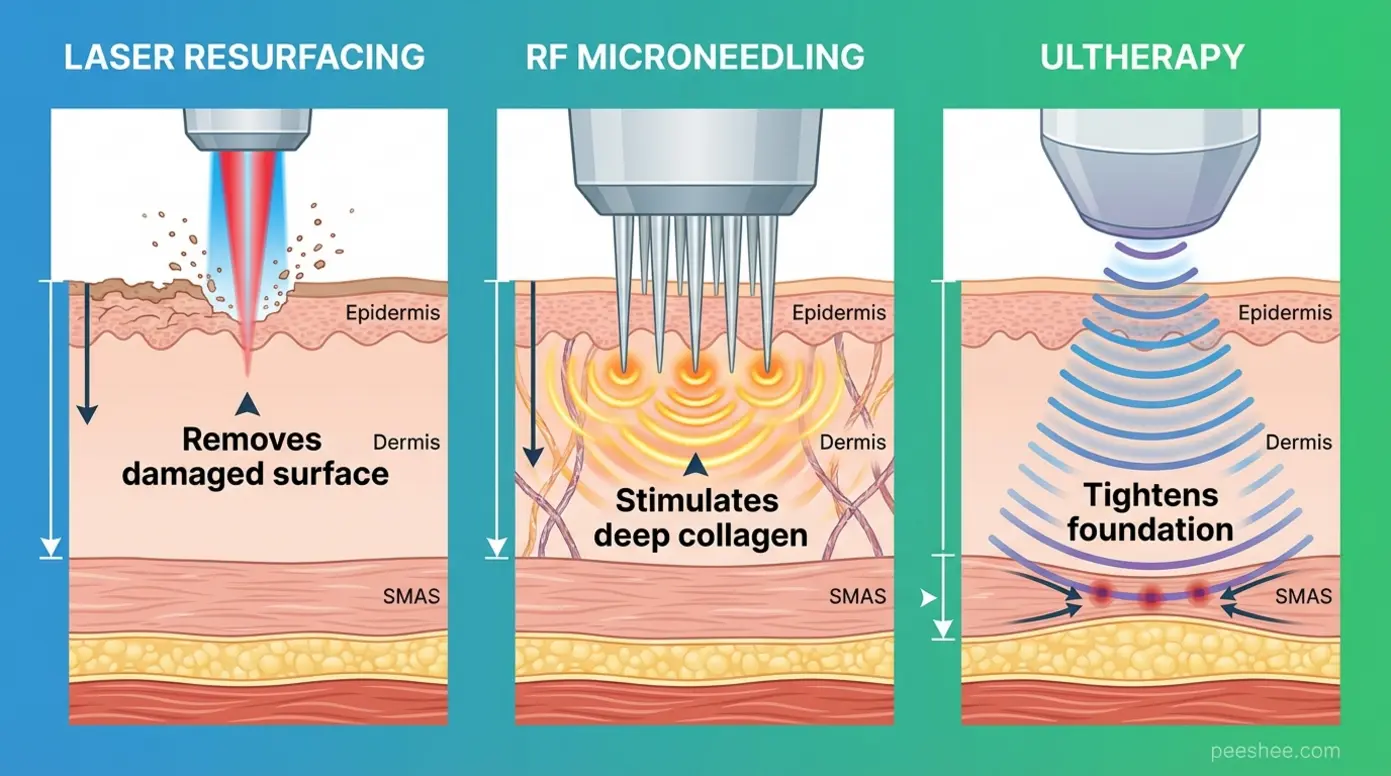
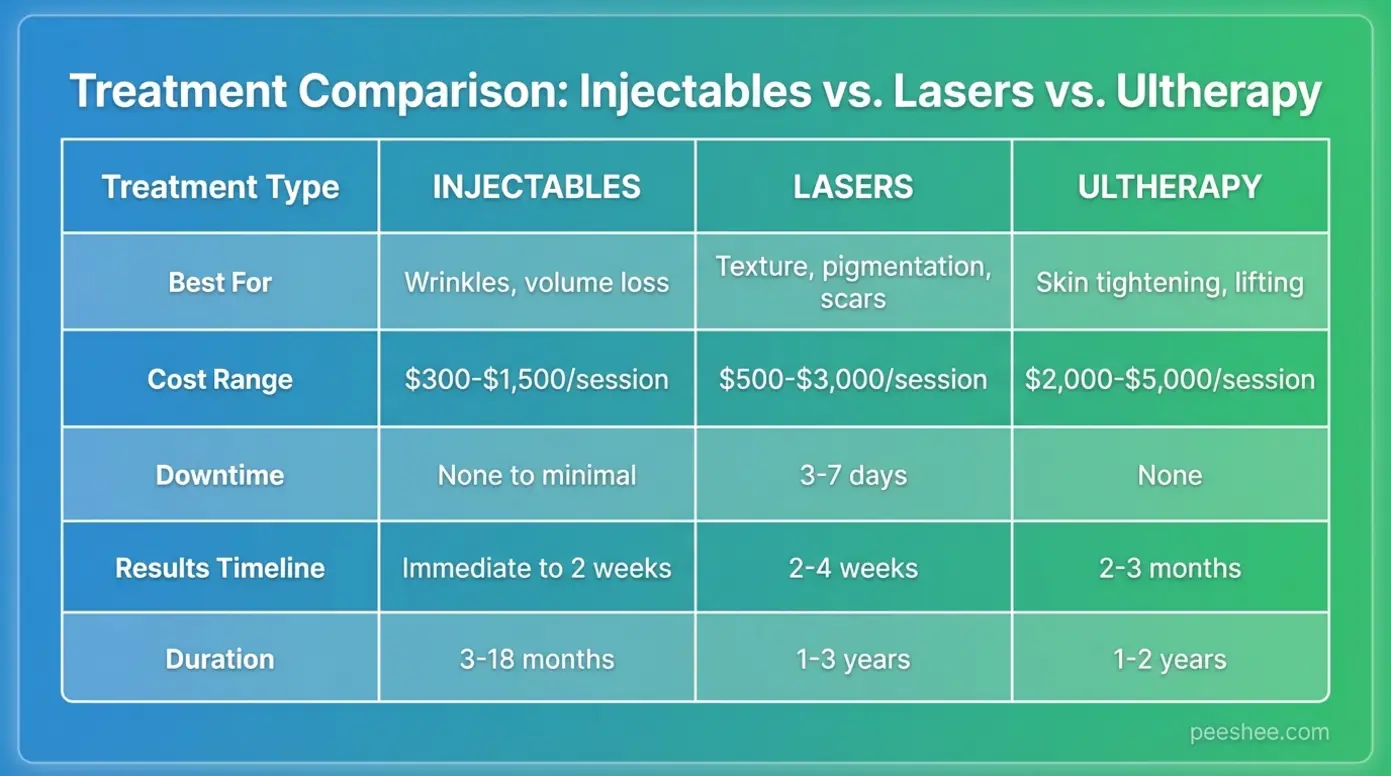
While injectables fill and relax, another class of treatments rebuilds the skin itself. Laser resurfacing and other forms of anti aging light treatment are excellent for addressing sun damage, fine lines, and uneven texture by removing damaged outer skin layers. RF Microneedling combines tiny needles with radiofrequency energy to stimulate deep collagen production, improving skin texture and firmness. For a non-surgical lift, an ultrasound anti aging treatment like Ultherapy uses focused sound waves to heat and tighten the skin's deep foundational layers. The American Institute of Ultrasound in Medicine (AIUM) emphasizes that cosmetic ultrasound procedures are generally safe but should always be performed by qualified professionals to minimize risks.
For a visual breakdown of how these treatments compare for different concerns, watch our expert guide on the seven pillars of anti-aging.
The Future is Regenerative: PRP, Stem Cells, and Exosomes
The latest innovations in anti-aging go even further by harnessing your body's own biological power. Platelet-Rich Plasma (PRP) therapy uses a concentration of your own blood platelets, rich in growth factors, to stimulate healing and new collagen growth. Looking ahead, stem cell facials and exosome therapy represent the future of skin rejuvenation. These treatments use powerful cellular messengers to repair and regenerate skin at a biological level. The American Society of Plastic Surgeons (ASPS) highlights 'regenerative sculpting'—using the body’s own cells—as a key trend for 2026, signaling a shift towards more natural-looking results.
Surgical Options for Dramatic Results
For the most significant and long-lasting changes, surgical options remain the gold standard. A facelift (rhytidectomy) addresses severe sagging in the mid-face and jowls by tightening underlying muscles and removing excess skin. For tired-looking eyes caused by drooping eyelids or under-eye bags, blepharoplasty (eyelid surgery) can create a more rested and alert appearance. These are major procedures that require significant downtime and should only be considered after a thorough discussion with a board-certified plastic surgeon.
At-Home Routines vs. Professional Treatments: A Realistic Comparison
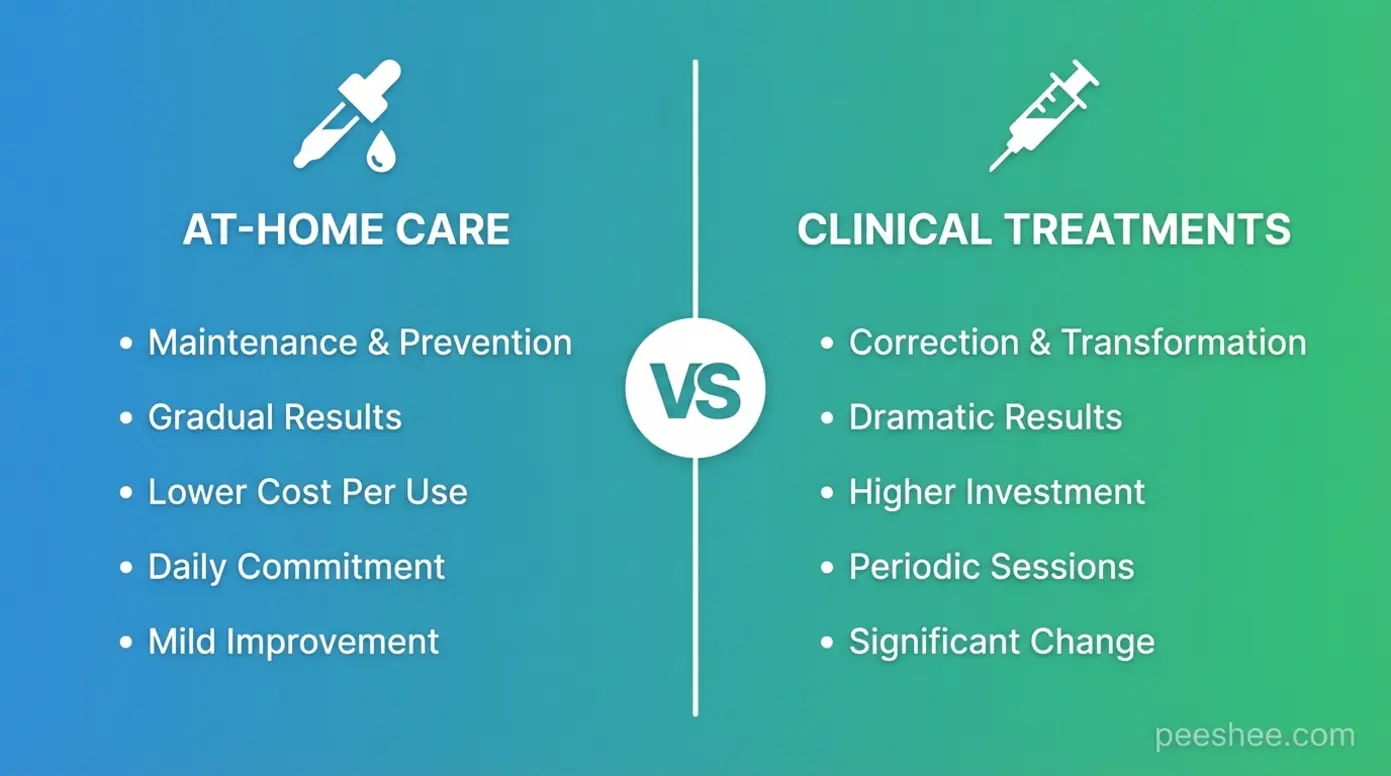
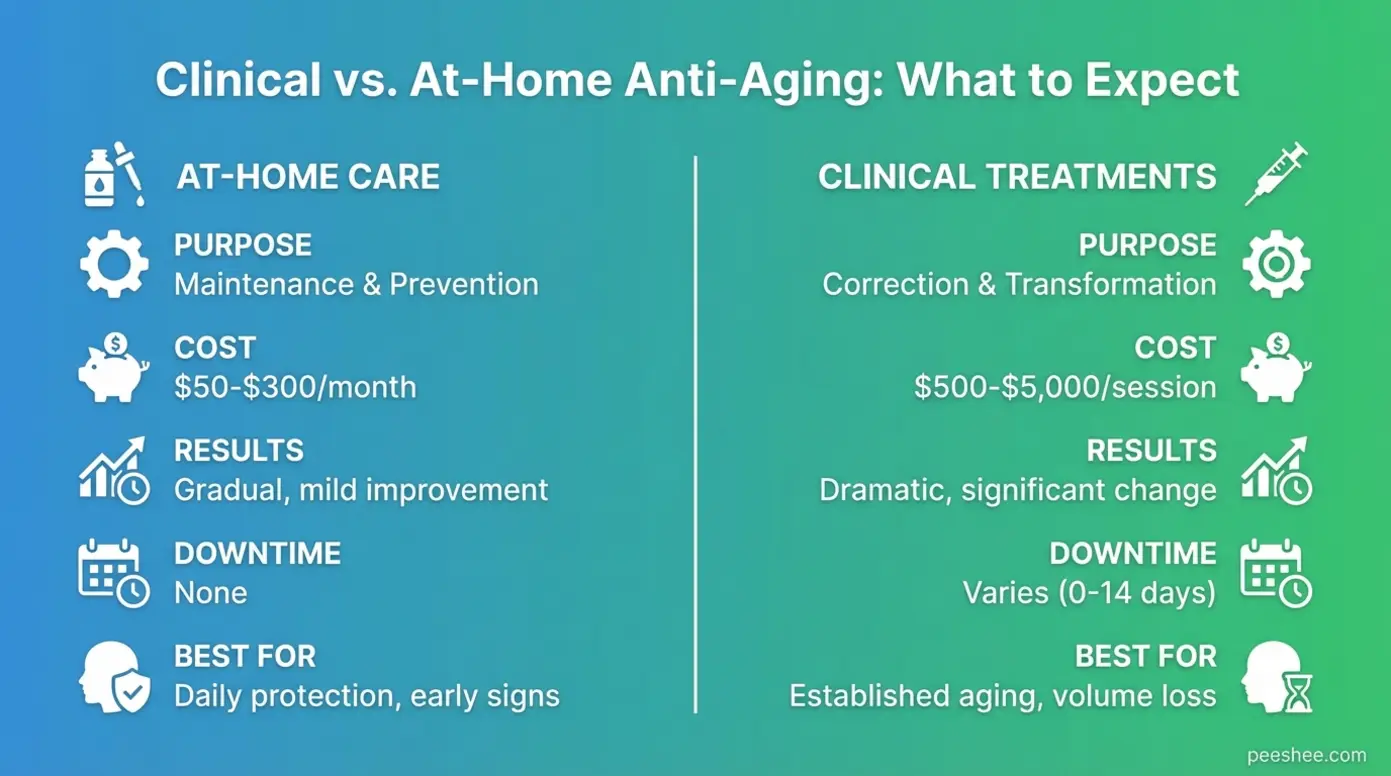
The appeal of at-home anti-aging devices and skincare is undeniable, but it's crucial to set realistic expectations about their limitations. Rather than viewing them as competitors to clinical procedures, it's more accurate to see their relationship as complementary. A consistent at-home routine is fantastic for maintenance and prevention, while professional treatments are designed for correction and significant change. Let's break down the key differences to help you decide where to invest your time and money.
The primary distinction lies in efficacy and purpose. At-home care is about the long game—protecting your skin and making gradual improvements. Clinical procedures deliver more dramatic and faster results for concerns that skincare alone cannot fix. In terms of cost, at-home products have a lower upfront price but require ongoing investment for mild results. A clinical procedure is a larger initial investment but can resolve an issue more definitively. Ultimately, a great at-home routine protects and enhances the results you get from any professional work.
The core message is simple: use at-home care for daily maintenance and prevention, and invest in clinical procedures for targeted correction. The two work together to deliver the best possible long-term outcome. The infographic below provides a clear visual comparison of what to expect from each approach.
Effectiveness and Limitations of At-Home Devices and Skincare
An effective anti aging home treatment routine built around active ingredients like retinoids and vitamin C can certainly improve skin texture and help prevent future damage. However, these products cannot lift sagging skin or restore significant volume loss. Similarly, at-home devices using microcurrent or LED technology may offer subtle, temporary improvements but require consistent, long-term use to maintain them. The American Academy of Dermatology (AAD) notes that while some at-home devices like red light therapy show promise, results are often subtle and long-term effectiveness isn't well-established compared to clinical procedures.
Cost vs. Benefit: When to Invest in a Clinical Procedure
A clinical procedure should be viewed as an investment for addressing concerns that topical skincare cannot resolve, such as deep wrinkles, volume loss, or skin laxity. Before spending hundreds of dollars a year on "miracle" creams and ineffective gadgets, consider the long-term value. That same money may be better invested in a single treatment with proven, lasting results. For example, if you are trying to fix sagging jowls with skincare, that budget would likely deliver a far better return if applied toward a skin-tightening procedure like Ultherapy or RF microneedling.
How At-Home Care Complements Clinical Results
The two approaches are not mutually exclusive; they work best together. A good at-home routine is essential for protecting your investment and prolonging the results of any clinical work you receive. The single most important step is using a broad-spectrum sunscreen with SPF 30+ daily, as sun exposure is the primary driver of premature aging. Additionally, using medical-grade skincare products recommended by your dermatologist can help enhance recovery, support collagen production, and maintain your treatment outcomes for longer.
Understanding Risks and When to Seek Professional Guidance
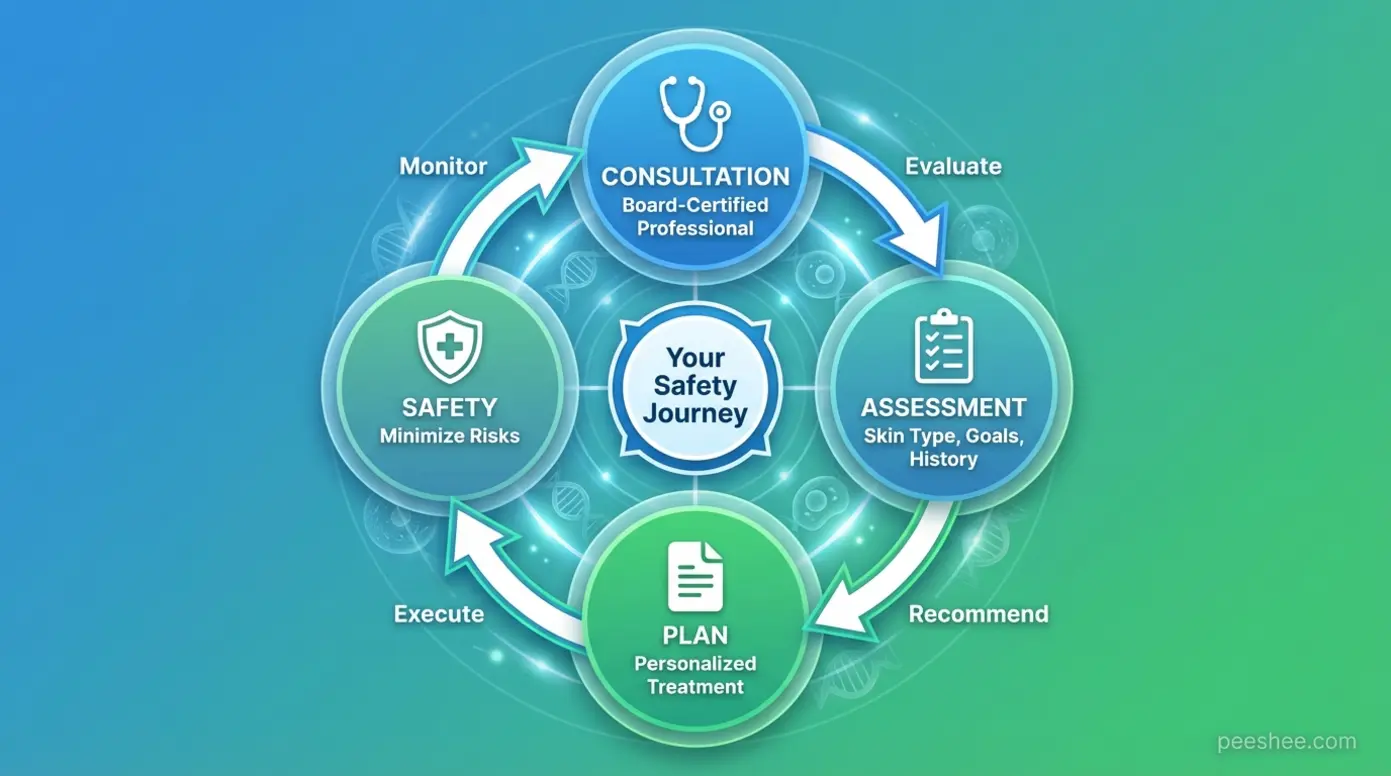
While modern anti-aging treatments are generally safe and effective, it's crucial to understand their limitations and potential risks. Results are never guaranteed and can vary significantly based on individual factors like skin type, age, lifestyle, and the skill of the provider. This is why choosing the right professional is the most important decision you will make.
When to Consult a Board-Certified Professional
Before undergoing any clinical anti-aging treatment, a consultation with a qualified healthcare professional, such as a board-certified dermatologist or plastic surgeon, is essential. A true expert can assess your unique skin condition, review your medical history, and understand your aesthetic goals to recommend the safest and most effective treatment plan for you. The U.S. Food and Drug Administration (FDA) clarifies that while many aesthetic devices are cleared for safety, results are not guaranteed and depend heavily on the skill of the operator. Be cautious of "med-spas" with uncertified staff, as procedures performed by inexperienced technicians pose a major safety risk.
Frequently Asked Questions
Which treatment is best for anti-aging?
There is no single "best" anti-aging treatment, as the ideal choice depends entirely on your primary concern. For dynamic wrinkles caused by muscle movement, neuromodulators like Botox are highly effective. To restore lost volume in areas like the cheeks, dermal fillers are the top choice. For improving overall skin texture, tone, and tightness, procedures like laser resurfacing or RF microneedling are often recommended. A consultation with a dermatologist is the only way to determine the best anti aging clinical treatment for your specific needs.
What is the best procedure for anti-aging?
The best procedure for anti-aging is one that is matched to the severity of your concerns. For early signs of aging like fine lines, minimally invasive options such as Botox and soft tissue fillers are an excellent starting point. For more advanced issues like significant skin sagging or deep folds, more intensive treatments are required. Energy-based devices like Ultherapy can provide a noticeable lift non-surgically, while a surgical facelift offers the most dramatic and long-lasting results.
What are the 7 pillars of anti-aging?
The seven scientific pillars of aging are the core biological processes that drive how our bodies age over time. These pillars include inflammation, metabolism, macromolecular damage, stress, proteostasis (protein stability), stem cell regeneration, and epigenetics. Advanced anti-aging strategies aim to target these pathways, not just the surface-level symptoms like wrinkles. Understanding these pillars helps explain why a holistic approach including diet and lifestyle is also crucial for healthy aging.
What procedure takes 10 years off your face?
A surgical facelift, professionally known as a rhytidectomy, is the procedure most commonly associated with taking "10 years off" your appearance. This is because it provides the most dramatic results for severe signs of aging. The procedure addresses deep wrinkles and significant sagging by tightening the underlying muscles and removing excess skin from the face and neck. This creates a much smoother, firmer, and more rejuvenated facial contour.
Conclusion
Navigating the world of anti-aging can be complex, but the path to achieving your goals becomes clear with the right information. The most effective strategy is always personalized. Injectables are excellent for addressing wrinkles and volume loss, energy-based devices are superior for improving texture and sagging, and a consistent at-home routine is vital for protecting and maintaining your results.
The key to achieving natural, effective, and safe outcomes from any anti aging clinical treatment is making an informed decision based on scientific evidence and professional guidance.
Your next step is to schedule a consultation with a board-certified dermatologist or plastic surgeon. They can assess your unique needs, answer your questions, and help you create a personalized treatment plan that aligns with your aesthetic goals and lifestyle.


